
Geography and the World That Remains
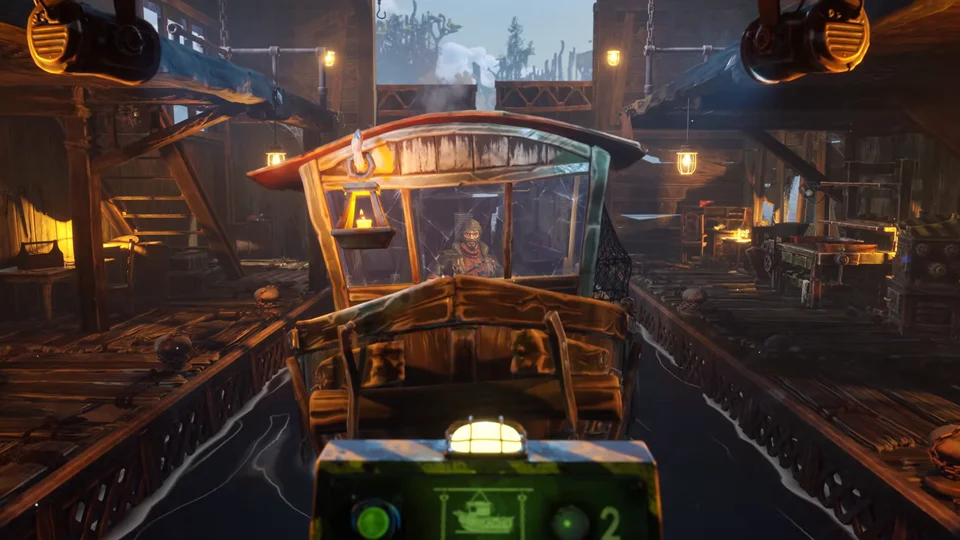
The fourth developer diary details how geography, isolation, and fear define the post-apocalyptic setting of DREADMOOR. Rather than an endless open sea, the world comprises islands, fragmented landmasses, swamps, flooded ruins, and isolated settlements. Decaying architectural remnants like factories and high-rise structures still stand across the damp terrain. Some surviving buildings continue providing shelter for remnant populations seeking safety.
Origins of the Collapse and Swamplands
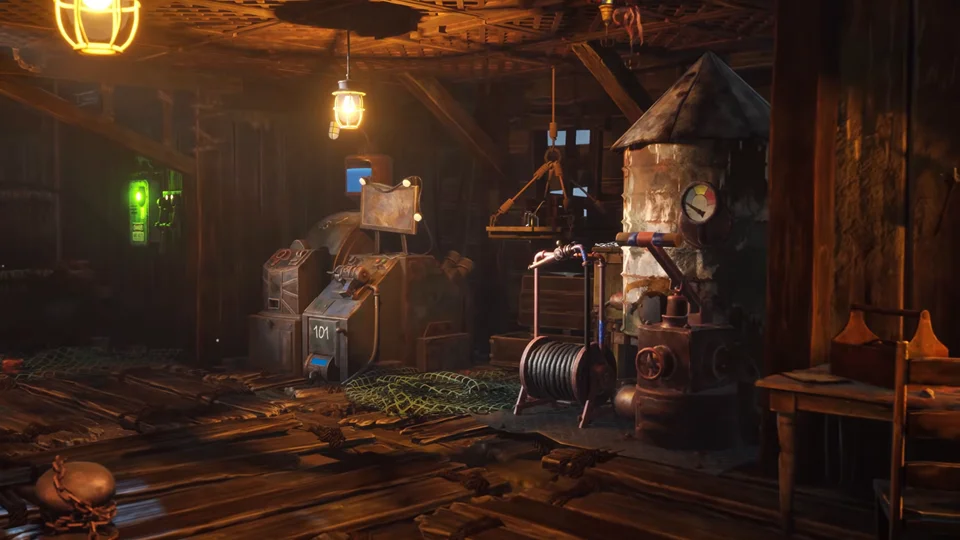
Prior to the cataclysm, international scientific initiatives developed climate control systems designed to stabilize weather, regulate seasons, and manage tides. Some survivors claim this machinery was weaponized and triggered the collapse, though no definitive proof exists. During the event, land sank, water levels rose, and melting permafrost reduced surviving landmasses. Persistent high humidity continues degrading the terrain, transforming solid ground into swamplands and decaying man-made structures. In some regions, the Sea Blight travels only through water, but in others it also exists in the air as a faint green mist.

Social Fractures and Competing Beliefs
Human populations survived the collapse, but widened divisions prevented unified rebuilding efforts. Scattered settlements range from structured economic hubs to insular tribal and cult enclaves. Certain fringe groups worship mutation directly, interpreting the Sea Blight as an evolutionary pathway rather than ecological corruption. Resource scarcity and fear keep suspicion rife, rendering genuine trust among survivors rare and valuable.